
The cultural legacy of casinos How gambling shapes societies worldwide
The cultural legacy of casinos How gambling shapes societies worldwide
The Historical Role of Casinos in Society
Casinos have been part of human culture for centuries, evolving from small gaming houses to large entertainment complexes. Historically, gambling was often intertwined with social gatherings and celebrations, creating a communal atmosphere that strengthened relationships and fostered a sense of belonging. In ancient civilizations, such as those in Rome and China, games of chance were played during festivals, highlighting their cultural significance. Today, those seeking excitement might explore bitcoin casinos, adding a modern twist to this age-old tradition.

As societies developed, so did the role of casinos. They became symbols of wealth and luxury, attracting individuals from various backgrounds seeking both entertainment and fortune. This transformation not only changed the perception of gambling but also its function within social frameworks, affecting everything from local economies to cultural identity.
Economic Impact of Gambling on Communities
The economic implications of casinos are profound, as they can significantly boost local economies. By creating jobs and attracting tourism, casinos contribute to the financial stability of the regions in which they operate. Cities like Las Vegas and Monte Carlo have built entire economic models around their gambling industries, showcasing how casinos can become pivotal in urban development. These family-friendly casino options further enhance the appeal for those looking to enjoy a night out together.
However, the economic benefits can be a double-edged sword. While they generate revenue and employment, they may also lead to social issues such as gambling addiction and crime. Balancing the economic advantages with potential societal costs is a challenge that many communities face as they integrate casinos into their social fabric.
Casinos as Social Gatherings and Entertainment Hubs
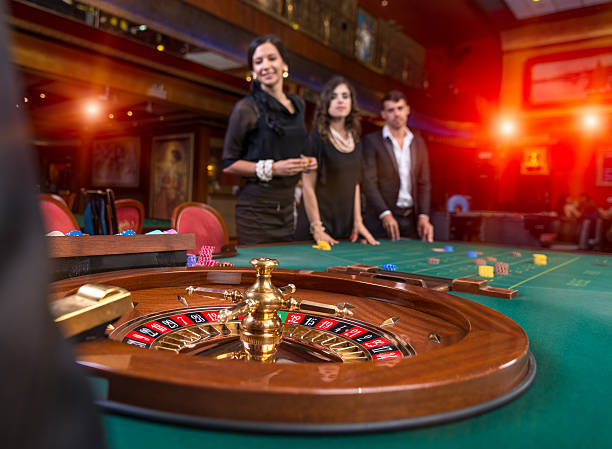
Modern casinos are not just places for gambling; they serve as social hubs that host various entertainment options. From live shows to gourmet dining, these establishments cater to a wide range of audiences, making them appealing to families and tourists alike. The evolution of casinos into multifaceted entertainment centers reflects a broader cultural trend towards inclusive leisure activities.
This shift has transformed the perception of gambling from a solitary activity to a communal experience. Families and friends gather not only to gamble but to enjoy performances, dining, and shopping. This diversification of offerings makes casinos more accessible, allowing them to be integrated into the lifestyle of diverse demographics.
The Global Influence of Gambling Culture
The cultural legacy of casinos extends beyond local borders, influencing societies worldwide. Different countries have their unique approaches to gambling, shaping their traditions and social norms. In places like Macau, gambling is deeply rooted in local culture, while in other regions, it remains a controversial issue. This disparity highlights the complex relationship between gambling and cultural identity.
Moreover, as globalization continues to connect different cultures, the exchange of ideas around gambling practices becomes more prevalent. This interaction can lead to an evolution of gambling norms, creating hybrid cultures where traditional practices meet modern expectations. The globalization of casinos illustrates how a seemingly niche activity can have wide-ranging cultural implications.
Exploring Responsible Gambling and Community Awareness
As the cultural legacy of casinos grows, so does the conversation around responsible gambling. Many establishments are now prioritizing initiatives that promote healthy gambling practices, emphasizing education and awareness. This focus on responsible gaming reflects a growing recognition of the need to address the potential negative impacts of gambling on individuals and families.
Furthermore, casinos are increasingly engaging with local communities to foster a positive relationship. By supporting local charities and educational programs, casinos can contribute to the well-being of the communities they inhabit. This effort not only enhances their public image but also reinforces the idea that casinos can be a force for good in society.
